Simple Ways to Stay Organised for VAT Returns
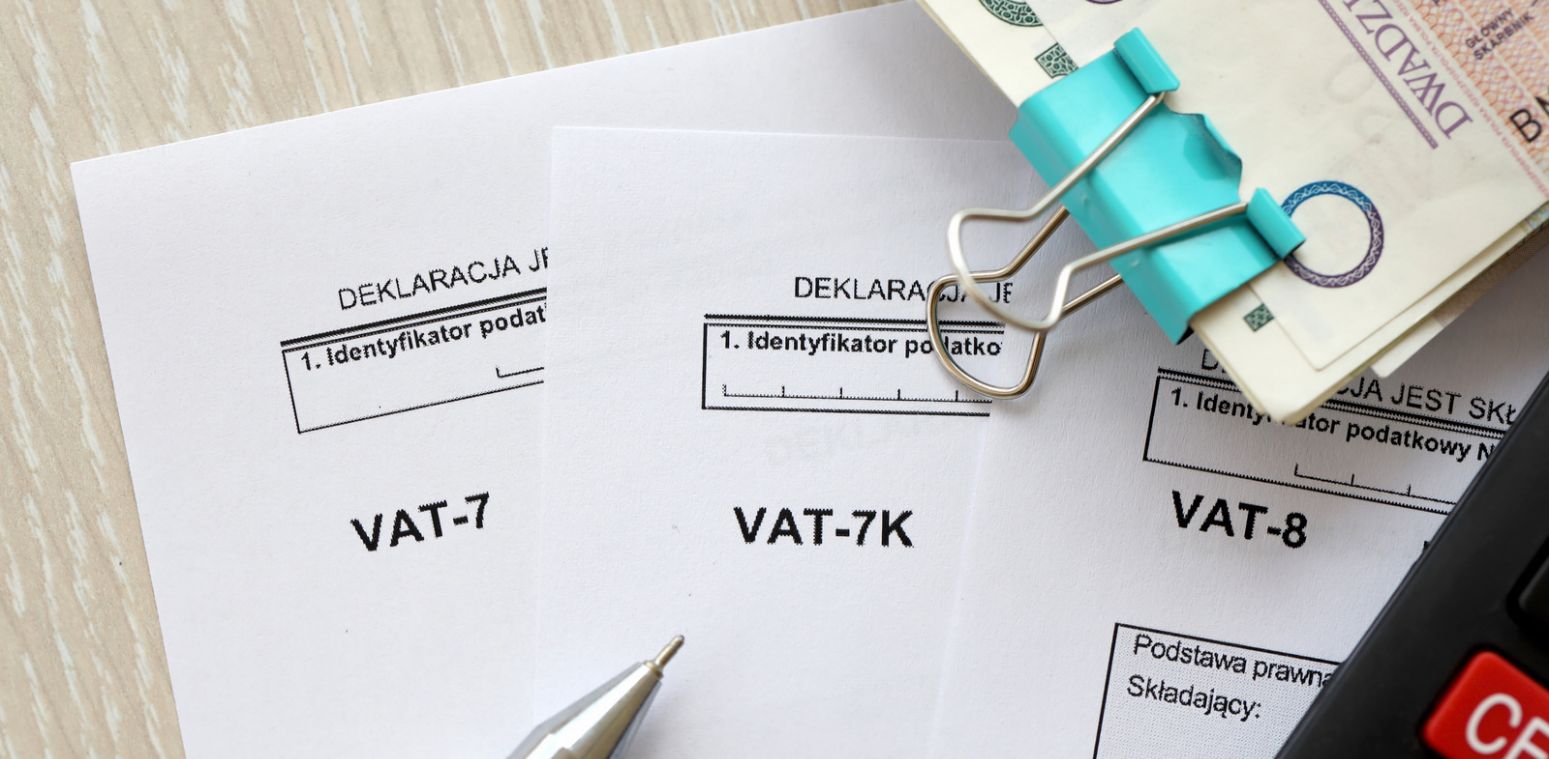
VAT returns are far easier to manage when your records stay organised throughout the quarter rather than being gathered together at the last minute. Many small businesses become overwhelmed because invoices, receipts, supplier bills and bank transactions are stored in different places. By the filing deadline, a simple task feels much larger than it should.
If your business is VAT registered, keeping accurate records is essential. Good organisation helps you meet HMRC requirements, reduces mistakes and makes cashflow easier to understand. Digital record keeping also supports Making Tax Digital requirements and gives you a clearer picture of how your business is performing. The good news is that a few simple habits can make VAT returns quicker, more accurate and far less stressful.
Keep VAT Records Digital from the Start
Why digital bookkeeping matters
Recording sales, purchases and expenses as they happen creates accurate VAT records and avoids a backlog of paperwork. Digital bookkeeping gives you an up to date view of your business and reduces the risk of forgotten transactions.
Benefits of accounting software
Modern accounting software connects with your bank, stores invoices, applies VAT codes and prepares information ready for submission. It saves time while creating a clear audit trail, although every return should still be reviewed before filing.
Digital habits to build
Raise sales invoices promptly and check the VAT rate before sending them. Upload purchase invoices as soon as they arrive. Capture receipts immediately using your accounting system and connect bank feeds so transactions flow into your records automatically.
Industries that benefit most
Construction, ecommerce, hospitality, manufacturing and other businesses with large transaction volumes benefit greatly from digital bookkeeping because it keeps records consistent and easier to review.
Put Receipts and Invoices in One Place
Why supporting evidence matters
HMRC expects VAT claims to be supported by proper documentation. Bank payments alone are rarely enough. Keeping every invoice and receipt in one place reduces the chance of missing evidence.
Create one process
Use one accounting system or shared process for everyone in the business. When staff follow the same routine, important paperwork is less likely to disappear.
Common problems
Lost receipts, missing invoices, duplicate claims and late supplier bills are common reasons for VAT errors. A simple filing process helps prevent these issues before they become expensive mistakes.
Weekly review routine
Spend a short period each week checking that invoices, receipts and expenses have been uploaded and matched correctly. Small regular checks save hours at quarter end.
Reconcile Bank Transactions Regularly
What reconciliation means
Reconciliation means matching bank transactions with invoices, receipts and supplier bills. It confirms that your accounting records reflect what has actually happened.
Benefits of regular reconciliation
Monthly reconciliation should be the minimum for most businesses, while weekly reviews suit businesses with higher transaction volumes. Regular checks quickly identify missing invoices and incorrect entries.
Separate business and personal spending
Using a dedicated business bank account makes bookkeeping much simpler and reduces confusion when preparing VAT returns.
Real world example
A busy retailer handling supplier payments, online sales and card transactions can easily lose track of paperwork. Regular reconciliation keeps records accurate throughout the quarter.
Track Deadlines Before They Become Urgent
Understand VAT periods
Most businesses complete VAT returns every quarter, although some file monthly or annually. Knowing your filing and payment dates well in advance allows enough time for review.
Penalty risks
Late submissions can result in penalty points and financial penalties. Planning ahead reduces unnecessary pressure and lowers the risk of mistakes.
Suggested VAT timetable
Week 1: Enter all sales and purchase invoices.
Week 2: Reconcile the bank and review missing paperwork.
Week 3: Check VAT codes and investigate unusual transactions.
Final week: Approve the VAT return and ensure payment funds are available.
Check VAT Codes Before You Submit
Why coding errors happen
Automatic software settings save time but are not always correct. Coding mistakes can affect VAT liabilities, cashflow and reporting.
Items to review
Review standard rated sales, zero rated items, exempt income, supplier invoices and entertainment expenses before submitting your VAT return. Checking these areas helps reduce avoidable errors.
When professional advice helps
If you are unsure how a transaction should be treated, seek advice before filing. Correcting issues before submission is usually quicker and less costly than making amendments afterwards.
Build a Calmer Process for VAT Returns
Benefits of organised records
Well organised records make VAT returns easier, improve compliance and provide better visibility over business performance. They also reduce stress during busy periods.
Business advantages
Good bookkeeping supports stronger cashflow management, more accurate financial reporting and better business decisions. It also gives confidence that your records are ready if HMRC requests information.
Final advice
The aim is not to spend more time on administration but to build a simple routine that works consistently. Small improvements throughout the quarter lead to faster, cleaner and more reliable VAT returns.
Frequently Asked Questions
How often should I update my VAT records?
Ideally every week, or immediately after new transactions occur.
Can accounting software prepare VAT returns?
Yes, most modern accounting software helps prepare VAT information while supporting digital record keeping.
Why should I reconcile my bank account?
Reconciliation identifies missing invoices, duplicate entries and bookkeeping errors before submission.
What documents should I keep?
Retain VAT invoices, receipts, supplier bills, bank records and supporting financial documents.
Can an accountant help with VAT returns?
Yes. Professional advice helps ensure compliance, accurate coding and timely submissions.
Speak to Our VAT Accountants
If VAT returns regularly feel stressful or time consuming, Alba Financial Accountants can help. We support businesses with bookkeeping, digital accounting, VAT compliance and accurate VAT return preparation. Our team can review your records, improve your processes and help you build a reliable system that saves time throughout the year.